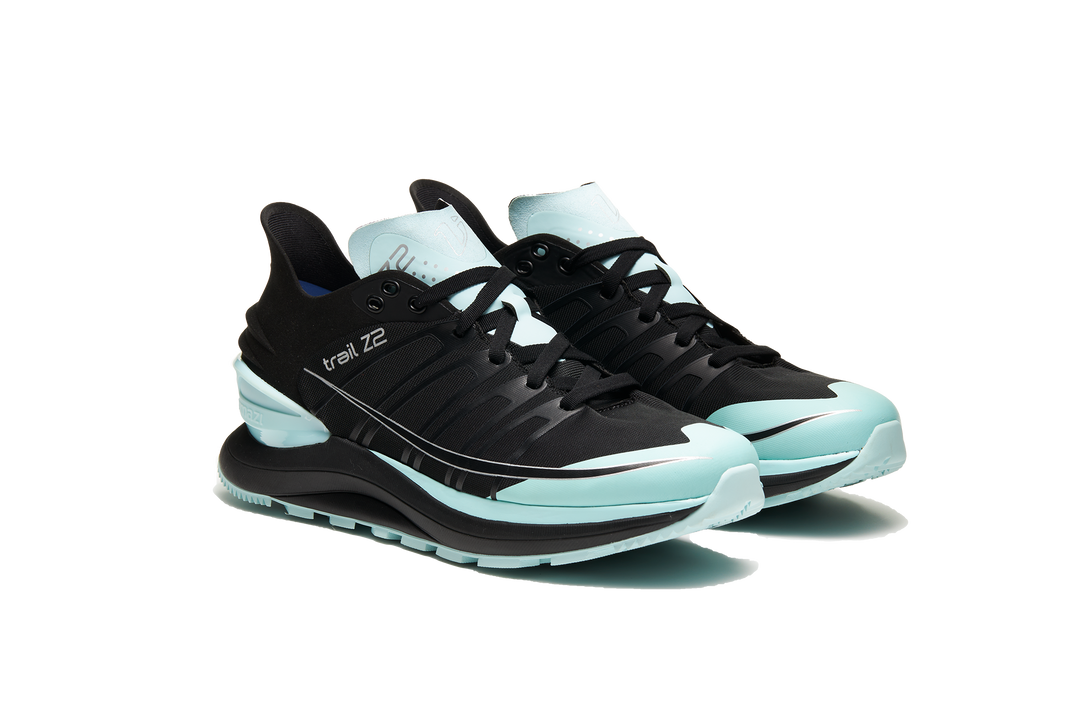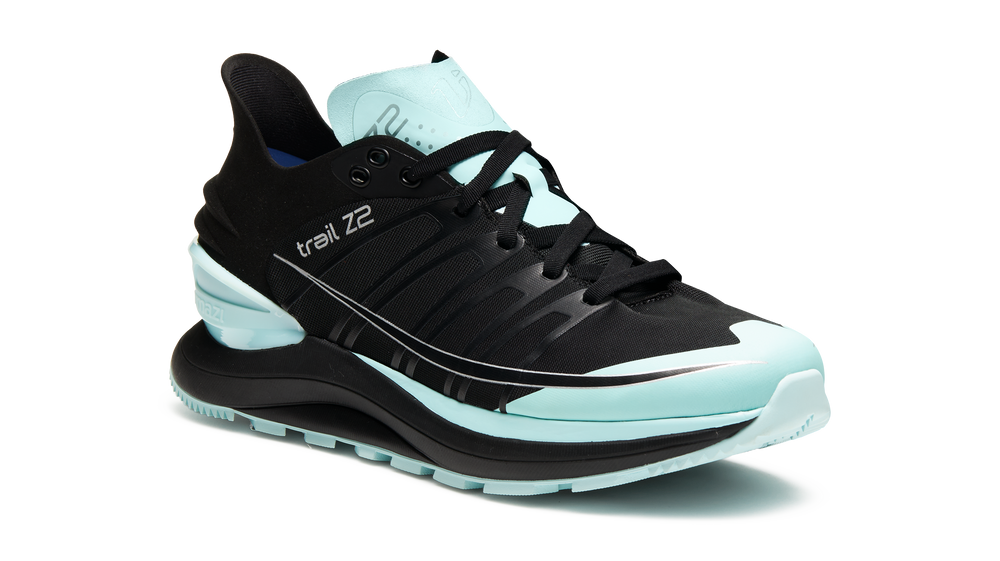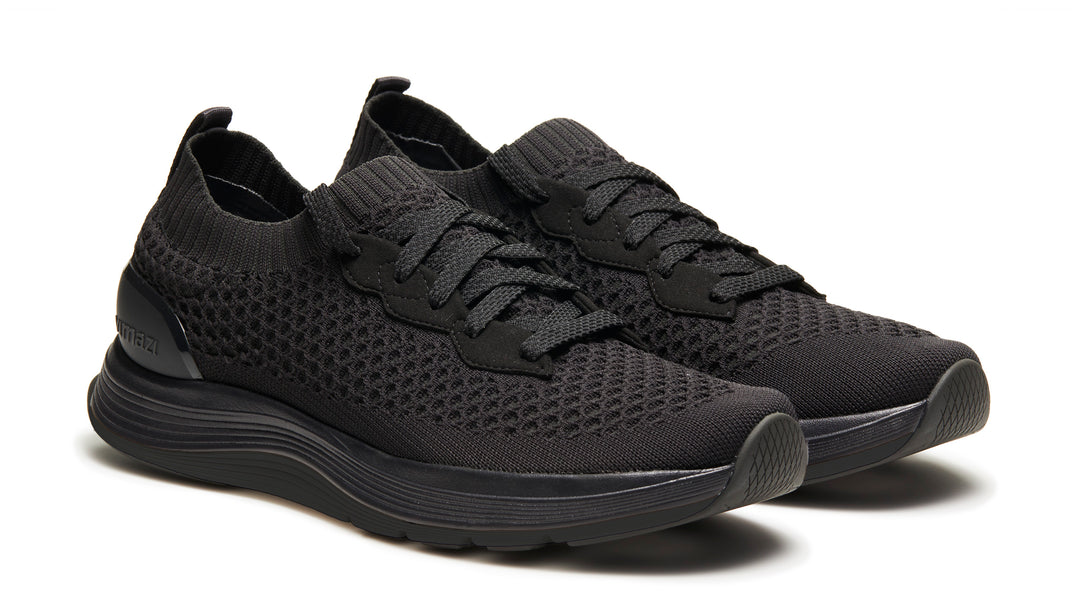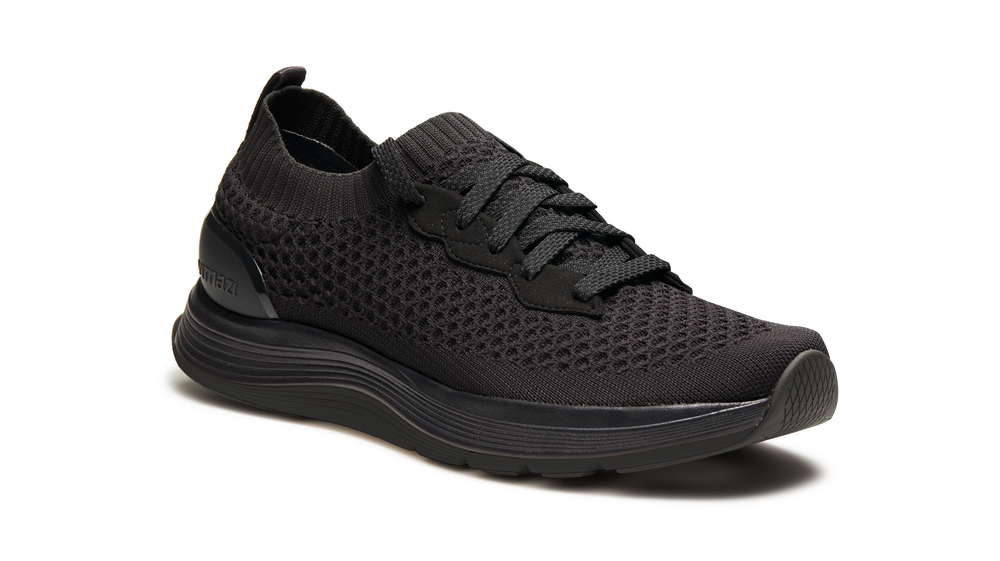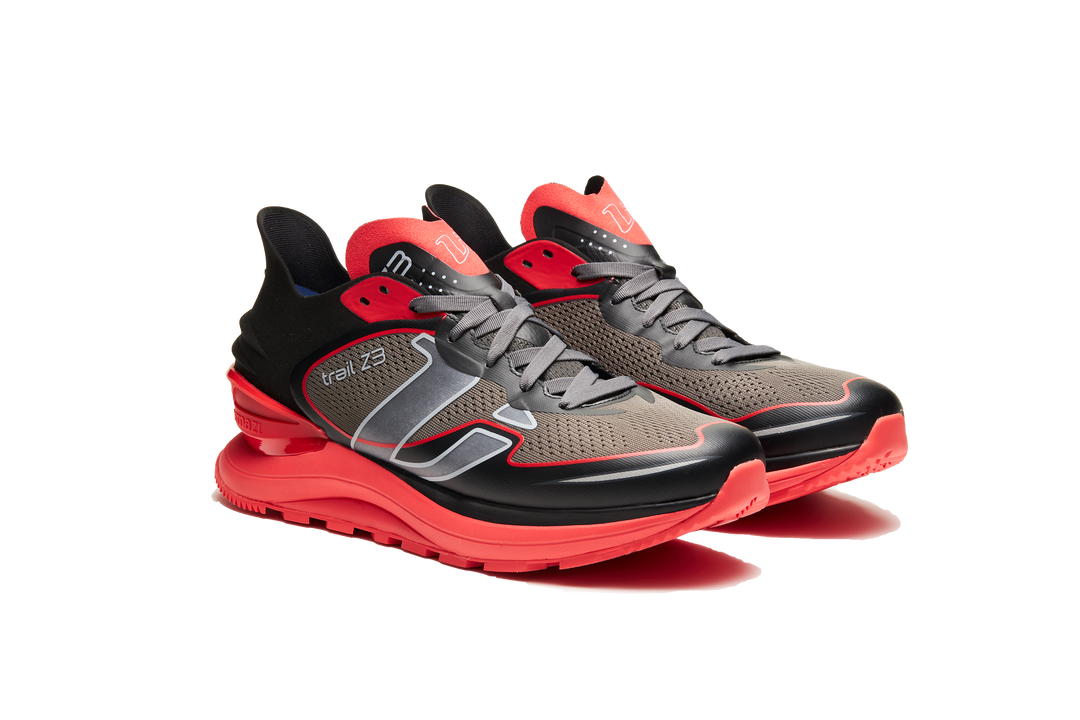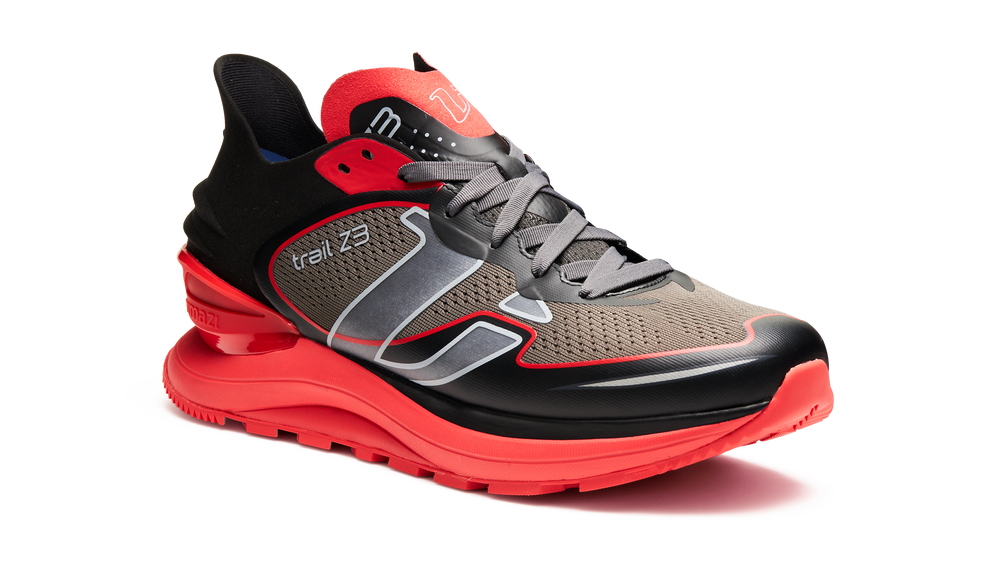

Vimazi Clinical

More Than a Shoe:
A Solution
Vimazi footwear as a mechanical tool within patient load management
Three lenses, one mechanism
Whatever your clinical entry point, footwear geometry sits underneath it — quietly supporting or undermining the work you're already doing.
Assessment & prescription
You assess gait and prescribe shoes and orthoses to manage load. Here's how footwear geometry either supports or undermines that work.
Tissue tolerance training
You train tissue to tolerate load between sessions. Here's how the shoe a patient wears the rest of the time affects that training.
The kinetic chain
Load entering at the foot travels up the kinetic chain. Here's how footwear geometry changes what reaches the joints and spine above.
This reference walks through the mechanical reasoning, the tissue-level evidence, and the specific Vimazi design features that follow from it — so the case for footwear as a clinical tool stands on its own, independent of any single product claim.
Rate of loading, not just amount
Most footwear conversations focus on cushioning and "shock absorption." But tissue load during gait is driven as much by how quickly force and acceleration change as by how much force there is.
Two terms are useful: yank (rate of change of force) and jerk (rate of change of acceleration).
A tendon under low tension (its "toe phase") is more elastic but also more vulnerable — a rapid force spike arriving during that brief low-tension window leaves less margin before delicate elastic fibres are stretched past tolerance. This is a plausible mechanical contributor to microtrauma, and is consistent with how clinicians already train tissue to tolerate rapid loading through isometric, concentric, and plyometric work.
Where the shoe comes in
A shoe is the only engineered interface between the foot and the ground. Its geometry can either smooth a loading transition or sharpen it. Four mechanical levers matter.
Heel curve & contact geometry
A smoother heel-to-forefoot transition reduces the abruptness of the heel pivot stopping as the forefoot lands — slowing the rate at which load reaches the Achilles and plantar fascia.
Forefoot density
At mid-stance, the forefoot can bear up to roughly 3× body weight. A forefoot that's too soft compresses asymmetrically, exaggerating ankle eversion and the rotational torque transmitted to the knee — arriving at a point in the gait cycle where the knee ligaments are in a potentially vulnerable transition.
Two more levers
Heel cushioning
Soft heel material's main benefit isn't energy absorption (foam dissipates relatively little energy) — it's attenuation, extending the duration of impact and thereby reducing the rate of force change reaching the lower back, hips, and knees.
Rocker sole
Assists the transition through stance, particularly relevant for patients with forefoot pathology where loading that joint directly is the problem being avoided — rocker-sole footwear has been shown to reduce pressure beneath the metatarsophalangeal joints in patients with 1st MTPJ osteoarthritis (Menz et al., 2016).
The mismatch in most footwear: a single-density midsole can't be optimised for both jobs at once. Soft enough to cushion heel strike usually means too soft to stabilise propulsion, and vice versa — like wanting to land on sand but push off grass.
Medial tibial stress syndrome
In-shoe plantar pressure data from a runner with MTSS, comparing their own running shoe against the Vimazi Z60.


In their own shoe, the force-time curve (green) rises steeply to an early peak, with the forefoot already loaded early in stance and pressure moving toward the 1st MTPJ and medial forefoot — a fast, medially-biased pattern.
In the Z60, the same curve rises more gradually to a comparable peak, with a less medially concentrated pressure distribution.
This demonstrates how the features of the Vimazi footwear can help to mitigate the forces acting on the lower limb.
1. Normal physiological loading
How tissue responds to load — and how that connects to footwear design
Tendon: the "toe-phase" buffer
Unloaded tendon collagen has a wavy "crimp" structure that straightens under initial strain, giving a low-stiffness, elastic "toe-phase" that absorbs the rapid initial spike of ground reaction force before the tendon stiffens to bear load (Viidik, 1973; Franchi et al., 2007).
Cartilage: the hydraulic shield
Cartilage shares compressive load through a biphasic structure — a fluid phase and a solid collagen-proteoglycan matrix. Rapid loading pressurises the trapped fluid, which bears much of the initial force and shields the solid matrix from direct compression (Ateshian et al., 1994; Mow et al., 1980).
2. What changes in tissue degradation
Yank and jerk are distinct loading variables
Yank is the rate of change of force; jerk is the rate of change of acceleration (Lin, Blum & Ting, 2019). Both describe how abruptly a load arrives, independent of its peak size. Tissue also has a critical strain limit — a threshold of deformation beyond which it is damaged (Fung, 1993). Loading rate matters because tissue stiffens under fast loading, so a fast-arriving force can reach that limit sooner than the same peak force arriving gradually (Shearer et al., 2020).
Tendon: yank can bypass the toe-phase buffer
When force is applied explosively (high yank), the tendon's internal fluid matrix has insufficient time to redistribute, so the tissue behaves as abruptly stiff — the protective toe-phase is effectively skipped, and stress concentrates directly on the collagen fibres rather than being absorbed gradually.
Tendon: jerk can outpace muscle-tendon coordination
Muscle stiffness is partly regulated by reflex feedback from tension-sensing receptors in the tendon (Golgi tendon organs), which help the nervous system adjust muscle stiffness smoothly as load changes. A sufficiently high jerk — an abrupt change in acceleration — may arrive faster than this feedback loop can respond, leaving some fibres briefly over-stretched while neighbouring fibres remain slack — a plausible mechanism for the uneven loading thought to contribute to tendinopathy, which is itself increasingly understood as a degenerative continuum rather than a simple inflammatory event (Cook & Purdam, 2009).
Cartilage: surface damage removes the hydraulic shield
Repetitive shear or rapid loading can cause microscopic fibrillation of cartilage's superficial layer, sharply increasing its permeability (Buckwalter & Mankin, 1998). Once that layer is compromised, fluid escapes too quickly under load, the protective fluid pressure is lost, and the solid matrix is forced to bear impact directly — a process accelerated by high loading rate (Setton et al., 1993; Ewers et al., 2001).
Across both tissue types, the pattern repeats: the buffer that protects tissue at normal loading rates is exactly what a high yank or high jerk can bypass or damage. That's the mechanical thread connecting cushioning geometry to tissue-level outcomes.
3. Rehabilitation & remodelling
Heavy Slow Resistance (HSR): high strain, low rate
A widely used tendinopathy rehabilitation protocol loads tendon with high external resistance at a deliberately slow tempo (e.g. a 3-second concentric and 3-second eccentric phase). The slow tempo keeps both jerk and yank low while still providing enough mechanical strain to stimulate tenocyte remodelling (Kongsgaard et al., 2009) — demonstrating that tissue can be loaded heavily and still remodel favourably, provided the rate of loading stays low.
Where footwear fits
Clinicians already use slow, controlled tempo to manage jerk and yank within a rehab session. A shoe that smooths the loading transition applies the same principle passively, on every step taken outside the clinic — not as a replacement for HSR or other rehab work, but as a way of keeping everyday loading rate lower while that work is ongoing.
By design feature
Clothoid heel curve
Research on rounded running-shoe heel shapes has found reduced peak vertical ground reaction force compared with a standard heel, without materially altering ankle inversion-eversion range of motion (Ryu et al., 2021). Vimazi shoes use a particular type of curve common in engineering, called a clothoid — a curve whose curvature changes smoothly and continuously along its length (i.e. no fixed radius).
Soft rearfoot, firm forefoot (dual-density midsole)
Extending the time over which force is absorbed reduces peak loading rate (Ewers et al., 2001), and loading rate is implicated in where cartilage damage occurs under rapid compression (Párraga Quiroga et al., 2017). A single midsole density cannot simultaneously optimise for shock attenuation (compliance) and propulsive stability (firmness).
Rocker sole
By shifting the effective pivot point of the step forward, a rocker geometry reduces the dorsiflexion required at the metatarsophalangeal joints during push-off. In patients with 1st MTPJ osteoarthritis, rocker-sole footwear has been shown to reduce pressure beneath the joint during gait (Menz et al., 2016). Minimising angular jerk at the knee is a related clinical goal: prolonged walking under heavy load has been shown to increase the cost of angular jerk at the knee by up to 110% in the sagittal plane and 51% in the frontal plane (Krammer et al., 2021), and patients with severe knee osteoarthritis show significantly greater frontal-plane angular jerk during mid-stance than those with early-stage disease, even though overall movement smoothness does not differ between the two groups (Fukaya et al., 2018). Direct evidence that rocker or plate geometry itself lowers loading rate or joint shear stress remains limited.
Where this fits clinically
This is not a replacement for orthoses, rehab, or manual therapy — it's the environment those interventions operate within. An orthotic is only as effective as the shoe it sits inside; rehab gains made in clinic are tested with every step a patient takes outside of clinic.
Vimazi is positioned as a tool that extends clinical load management into daily life, not a retail add-on.
See the references on the following page.
Works cited
Every citation referenced throughout this reference, listed alphabetically by first author.
Citations are given in the short author–year form used throughout this reference. Full bibliographic details (journal, volume, pages) are available from Vimazi on request.